Semrush vs Ahrefs in 2026: Which SEO Tool Fits Your Workflow?
Semrush SEO at $139/month, Ahrefs Starter at $29/month and Ahrefs Lite at $129/month serve different research and rank-tracking needs. Compare projects, credits, keywords and update frequency before choosing.
Semrush versus Ahrefs starts with the work you actually do
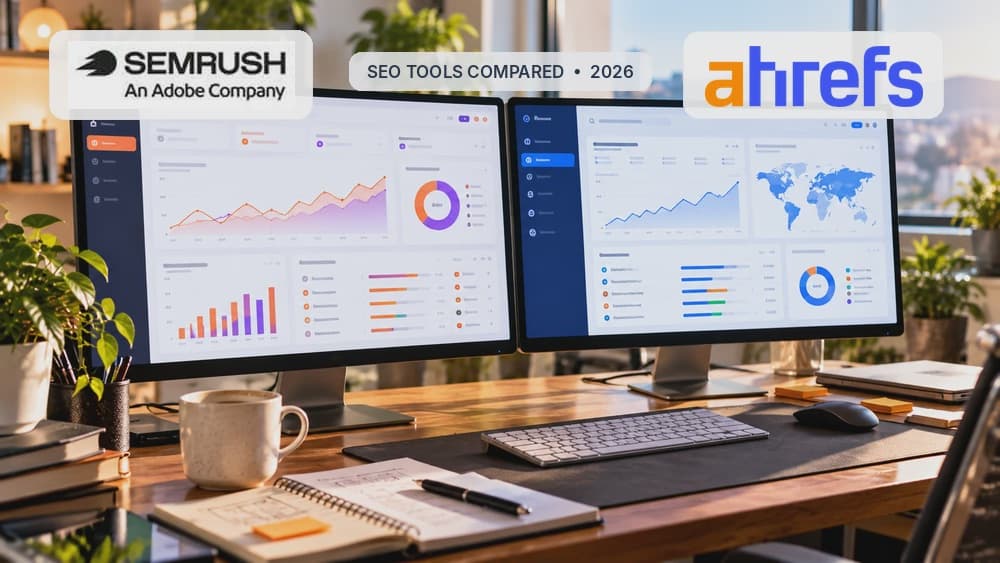
Both platforms cover keyword research, competitors, backlinks, rank tracking and technical audits. Their differences matter most when you identify what you need to repeat: planning content, examining link profiles, reporting for clients or monitoring several projects.
Semrush combines SEO research with a broader group of marketing and AI-search visibility workflows. Ahrefs also covers keyword and competitor research with substantial emphasis on link intelligence. There is no credible universal winner based solely on marketing claims from either company.
Compare current entry pricing together with usage limits
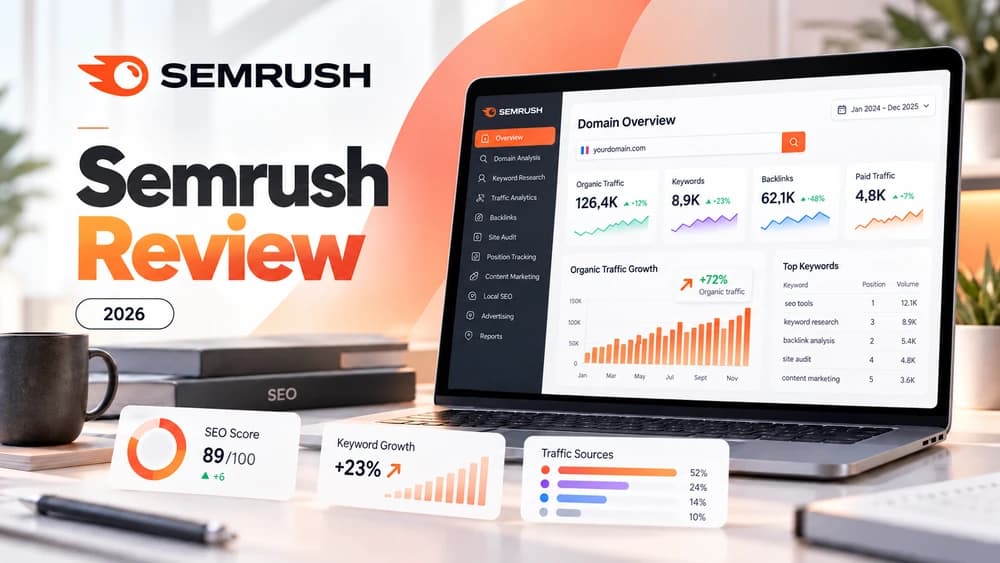
As of October 17, 2026, Semrush lists its SEO plan at $139 per month on monthly billing ($117.33 per month equivalent when billed annually), with five monitored websites and 500 keywords updated daily. Semrush also offers restricted free access; it is not a like-for-like substitute for the paid SEO plan.
Ahrefs has two different entry levels: Starter at $29 per month with 200 monthly credits, 50 rank-tracked keywords and one unverified project, and Lite at $129 per month with 1,000 credits, 750 tracked keywords and five unverified projects. Ahrefs publishes weekly rank updates for Lite. Comparing only $129 with $139 conceals the much smaller Starter tier and its restrictions.
When $29 Ahrefs Starter is enough—and when it is not
Illustrative decision, not a hands-on product test: if you manage one website and want to monitor 40 queries, Ahrefs Starter may be a low-cost learning option, provided its 200 monthly research credits are sufficient. At 100 tracked queries, the Starter cap of 50 tracked keywords already falls short.
For five websites, 500 keywords checked daily and recurring technical reviews, Semrush SEO targets a different usage rhythm; Ahrefs Lite is worth comparing if weekly tracking and its usage limits suit you. Confirm credit allowances, exports, billing terms and included features on both vendors' current pages before subscribing.
Keyword research: test the same market and the same queries
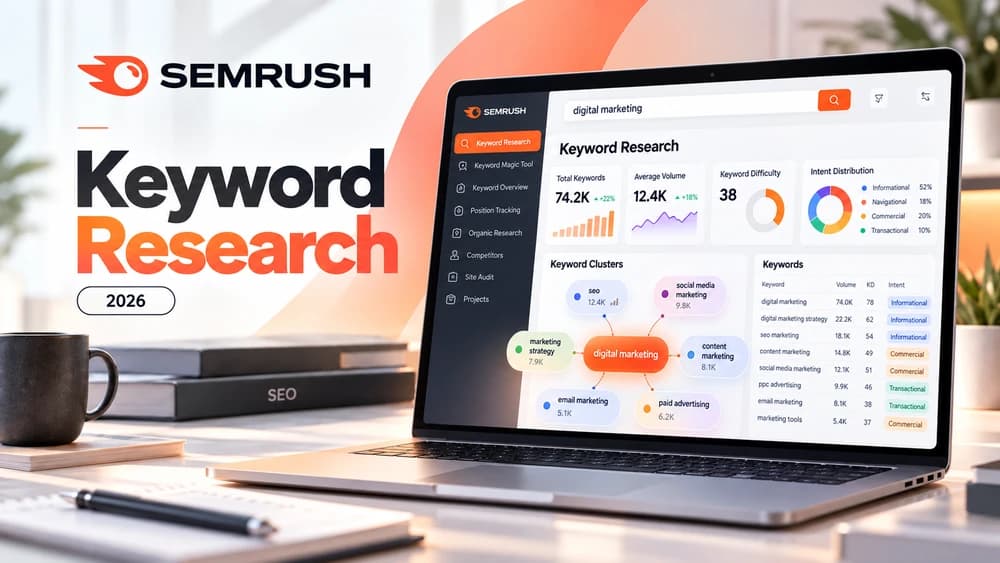
Semrush Keyword Magic Tool expands a seed topic into related searches with estimated volumes, keyword difficulty and search intent. Ahrefs Keywords Explorer also supports keyword and search-results analysis. Because the two companies maintain different databases, their estimated search metrics can differ.
Choose ten commercially or editorially relevant queries in your target country. Compare useful topic clusters, keyword context and the actual pages ranking for those searches. A tool that helps you pick the right five pages is worth more than a large raw database that does not lead to better content decisions.
Backlink profiles and competitor research need context
Both products examine referring domains, backlinks and competitors. Ahrefs promotes its backlink index and competitive-research features, while Semrush positions backlink information within a broader marketing toolkit. Self-published index-size statistics are vendor claims, not an independently verified contest.
Pick three real competitors and evaluate which referring pages are relevant, which assets attract links and where your own site could earn coverage. Avoid treating every reported link as equally valuable. Context and topical relevance matter more than maximizing an impressive total.
Site audits and rank tracking have different practical rhythms
Semrush Site Audit groups technical issues while Position Tracking can monitor keywords daily within the selected plan limits. Ahrefs provides Site Audit and Rank Tracker, with weekly tracking shown in its current standard plan table. Both can support recurring technical reviews.
If daily movement matters to your campaigns, Semrush's published update cadence may be useful. If you review search progress more slowly, Ahrefs' weekly cadence may be sufficient. Keep Google Search Console alongside either product for direct performance signals from your verified site.
AI-search visibility should be judged by the plan you can use
Semrush includes AI-search visibility features across selected products and subscriptions. Ahrefs offers Brand Radar and AI-related analysis. The available checks, monitored prompts and historical coverage depend on the plan, and AI-search products evolve quickly.
Instead of buying based on a single dramatic dashboard, test whether the tool surfaces a practical editorial opportunity for your own brand and competition. Neither vendor can guarantee that an AI assistant will mention or recommend your business.
A practical decision for publishers, freelancers and agencies
Semrush is a sensible candidate when a publisher frequently combines keyword research, technical checks, rankings and AI-search visibility. Ahrefs deserves direct testing when backlink intelligence and competitive investigation are central tasks. Agencies also need to compare seats, projects and reporting requirements.
Run the same short evaluation in both products where your access allows it: five target keywords, two competitors, one site audit and one ranking report. Record what you learned, what you could not do and what each subscription would cost. Choose the workflow that leads to better repeatable decisions.
Check these four signals.
✓You know whether 50, 500 or 750 tracked keywords actually meet your needs
✓You have two or three real competitors to analyze
✓You can compare the same keyword set in both tools
✓You need to decide if daily updates justify the cost
The safest way to choose is to build a small real-world workflow.
Test the part of the customer journey that matters most before moving your entire system.
Official sources for this guide
Software pricing and features can change. Review the official documentation below before choosing a product or plan.