How to Build a Systeme.io Sales Funnel in 2026: A Simple Conversion Path
A strong first funnel is intentionally simple: one traffic source, one page objective, one follow-up route and one offer. Systeme.io lets you build and test that complete path on its free tier.
Choose the funnel type that matches the action you want from the visitor
Systeme.io’s current workflow starts in Sites, then Sales funnels, where you create a funnel and choose its name, domain and currency. The platform documents funnel types for building an audience, selling, creating a custom funnel and running an evergreen webinar, with the webinar option reserved for the relevant higher plans.
Do not choose a structure because it looks sophisticated. Start from the conversion event: email sign-up, purchase, application or another measurable action. The funnel should make that one next step obvious.
Map the customer journey before opening the page editor
Write the minimum path on one line: traffic source, landing page, next action, follow-up and final offer. If you cannot explain the journey simply outside the software, adding pages inside the software will usually make it harder to understand rather than more persuasive.
For a first funnel, remove optional branches. One clear promise and one primary call to action make it easier to see where visitors leave, which message needs work and whether the offer itself is generating interest.
Build the pages around one job each
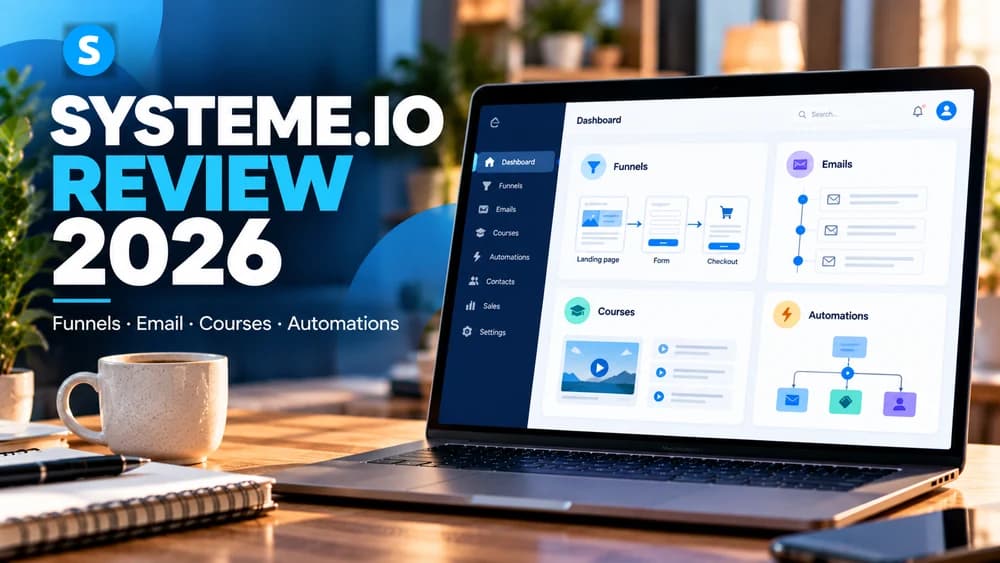
Use the drag-and-drop funnel editor to create the pages required by the chosen path. A lead-generation funnel may need an opt-in page and a thank-you page; a direct sales funnel may also need an offer, checkout and confirmation step.
Each page should answer the question that belongs to that stage. The landing page earns the next click or sign-up, the checkout removes purchase friction, and the confirmation page explains what happens next. Avoid turning every page into a complete website.
Connect email and automation to the behavior that matters
A funnel becomes more useful when the contact’s action changes what happens next. Use tags, campaigns, automation rules or workflows to send the appropriate follow-up after a sign-up or purchase, while keeping the first version simple enough to audit.
Start with the fewest rules needed to deliver the promised next step. Once the basic journey works, segmentation and additional automation can improve relevance. Complex automation before you have traffic usually creates more testing work than conversion value.
Add order bumps, upsells or urgency only after the core path is credible
Systeme.io supports conversion tools such as order bumps, one-click upsells, A/B tests and countdown timers. These can improve a proven offer, but they should not be used to hide a weak main proposition or a confusing checkout.
Get the base funnel working first. Then add one optimization at a time and measure the result. This makes it possible to tell whether an extra step increases revenue or simply adds friction.
Test the entire journey like a customer before sending meaningful traffic
Open the funnel on mobile and desktop, submit a real test lead, check every email, verify tags and automation, and test the payment path where appropriate. Confirm that the thank-you or delivery step matches what the page promised.
The permanent Free plan is enough to build and validate a small first funnel without a credit card. Use that advantage to find broken links, unclear copy and automation mistakes before you scale traffic or upgrade for more capacity.
Check these four signals.
✓You can state one primary conversion goal
✓Each page has one clear job
✓Follow-up is connected to the visitor action
✓The entire journey has been tested before traffic scales
The safest way to choose is to build a small real-world workflow.
Test the part of the customer journey that matters most before moving your entire system.
Official sources for this guide
Software pricing and features can change. Review the official documentation below before choosing a product or plan.